New Features in Google Merchant Center and Meta Ads – SEM News #1 January 2026
d-tags
d-tags
Starting March 2026, Google Merchant Center will require separate product IDs for items sold both online and in physical stores when they differ in attributes such as price, availability, or product condition. Online version attributes will become the default. If the offline version differs, for example in price, availability, or other details, a separate product with its own ID must be added so Google can correctly distinguish them. This change affects Local Inventory Ads, Shopping Ads, and Performance Max campaigns.
What Does this Mean for You?
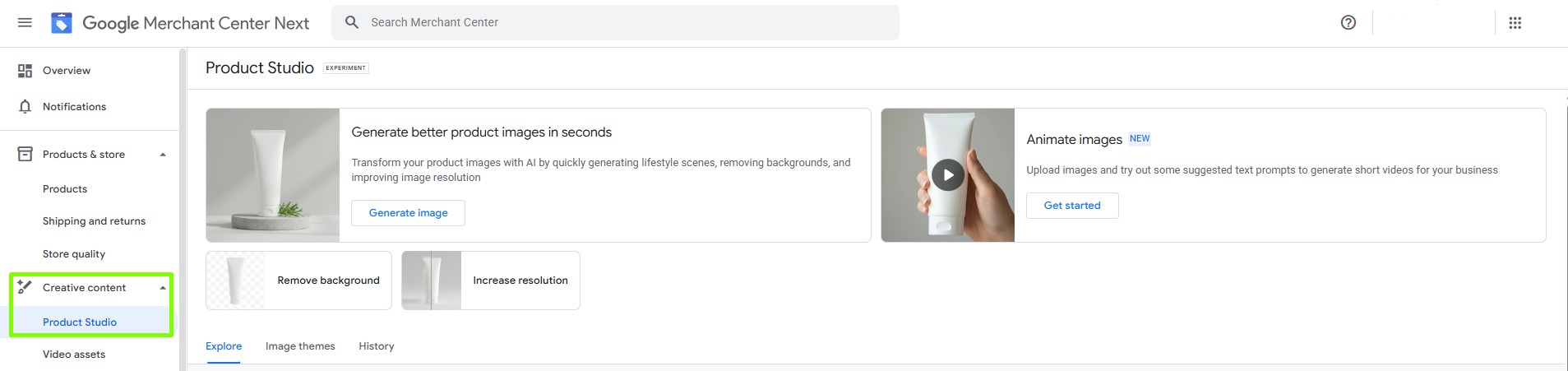
Google has introduced an AI-powered video creation feature directly in Google Merchant Center. It allows you to transform product photos or any images into short animated videos in seconds.

Source: Google Merchant Center panel
What Does this Mean for You?
Google has started showing ads directly within AI-generated answers in search results. Ads appear inside responses to user questions and are labeled as “Sponsored.” This ad format mainly appears for queries that indicate purchase intent or decision-making, bringing the user closer to the conversion point compared to standard search ads.
What Does this Mean for You?
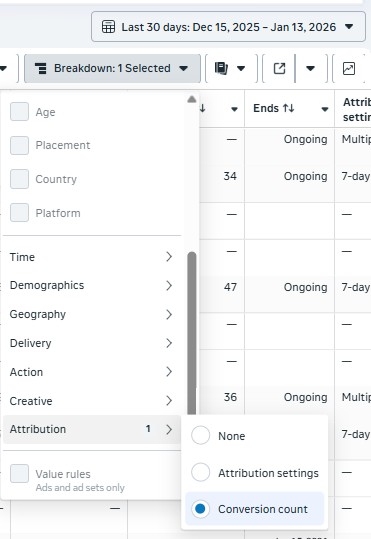
Meta Ads has introduced a new reporting feature “Conversion count” allowing advertisers to track campaign performance more precisely. The new option lets you distinguish first conversions from all subsequent converting actions performed by the same user within a given attribution window.
The feature is available in the Breakdown menu at the campaign, ad set, and individual ad level, making it easier to segment data without external analytics tools. Conversion count does not compare different attribution models but presents conversions within a single selected model, ensuring data consistency within one campaign.

Source: Meta Ads panel
What Does this Mean for You?