

Google Ads: Changes in Performance Max & Demand Gen campaigns – SEM Updates – #2 February 2026

2min.

Comments:0

27 February 2026

Google Ads: Changes in Performance Max & Demand Gen campaigns – SEM Updates – #2 February 2026d-tags
An overview of the latest changes in SEM and their consequences for the effectiveness of advertising campaigns.

2min.

Comments:0

27 February 2026

End of ad serving on parked domains

Disabling ad serving on parked domains (AFD) marks the end of cheap clicks with no purchase intent. While some brands may notice a drop in session volume, in practice they gain something far more valuable: cleaner data and a solid foundation for CPA optimization.

The change was implemented automatically on February 10, 2026.

What does this mean for you?

  • It’s a step toward more mature performance marketing. Budgets will no longer fund accidental visits but will instead be directed to placements where real business value is generated.
  • A shift away from the cult of quantity toward quality. Reduced reach can be an acceptable price for higher profitability and stronger brand reputation safety.
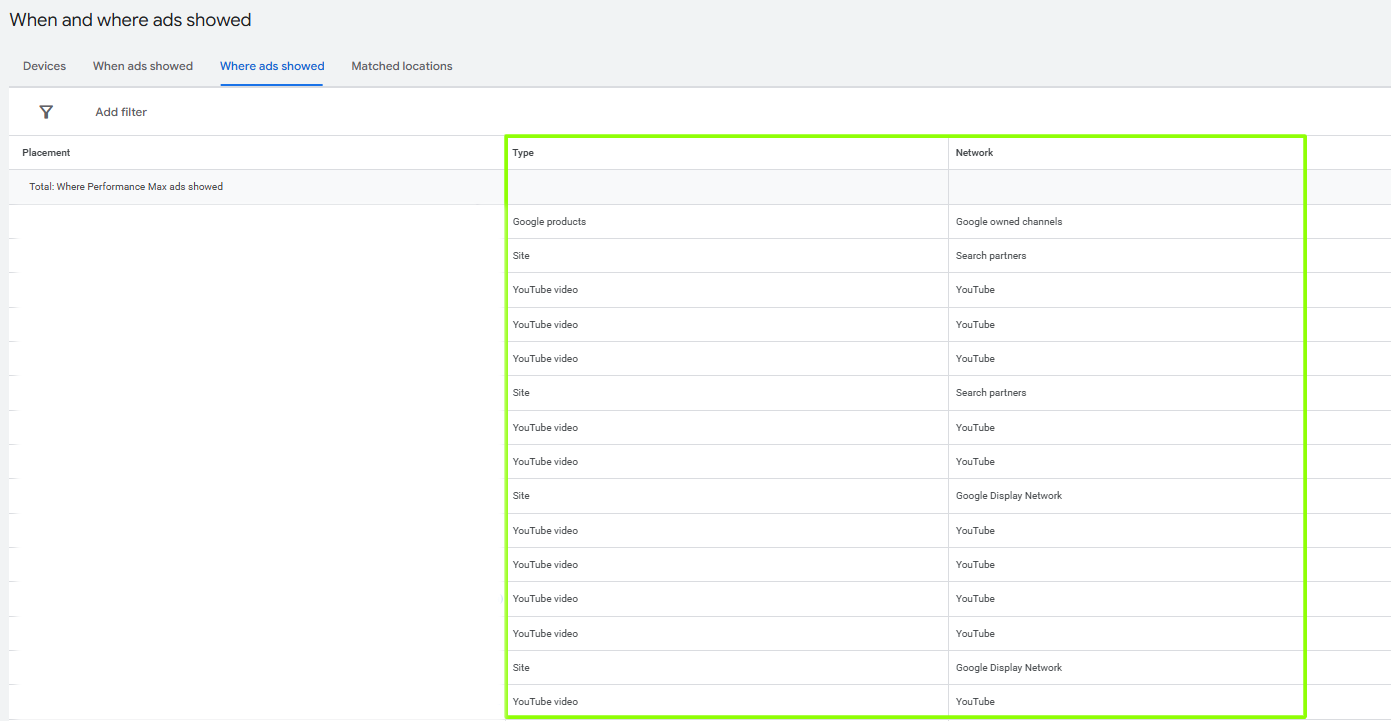

New Performance Max placement report

For a long time, the promise of multi-channel reach in Google Ads was offset by a lack of transparency around ad placements, which for many decision-makers was an unacceptable barrier. The release of full reports – now also covering the search partner network – significantly shifts this balance of power.

This marks the transition from relying on the algorithm to embracing hard analytics. The new data makes it possible to genuinely assess whether the budget in Performance Max campaigns supports business goals and a premium brand image, or whether it is dispersed across environments with low contextual value.

Google Ads panel

Source: Google Ads

What does this mean for you?

  • It’s the end of guesswork in reporting and a reduction in investment risk. Better information leads to smarter budget allocation – directing spend to where purchase intent and the quality of brand interaction are at their highest.

Changes to Lookalike targeting algorithms in Demand Gen

Starting in March 2026, Lookalike segments in Demand Gen campaigns will no longer function as a strict targeting criterion but instead as a signal for Google’s algorithm. In practice, this shifts control: the system may seek conversions beyond the previously precisely defined audience.

For mature brands, this is a moment to reassess budget safety strategy. Greater algorithmic flexibility can support scale and CPA optimization, but it also increases the risk of audience dilution and added noise in the sales funnel — particularly when communicating with narrow, premium segments.

What does this mean for you?

  • It’s a moment of choice: trust the algorithm and your foundational data, or prioritize conservative precision. Today, the key factor is not just how you set targeting, but the quality of your thinking around risk, scale, and control over media spend.
Author
Kamil Pabiś-Junior SEM Specialist
Author
Kamil Pabiś

Junior SEM Specialist

Graduate in Marketing and Market Communication from the Cracow University of Economics. At Delante since November 2024. Privately, he is interested in music, swimming, and traveling.

Author
Kamil Pabiś-Junior SEM Specialist
Author
Kamil Pabiś

Junior SEM Specialist

Graduate in Marketing and Market Communication from the Cracow University of Economics. At Delante since November 2024. Privately, he is interested in music, swimming, and traveling.