




We built a sales strategy based on Meta Ads:
A case study of scaling e-commerce sales through Meta Ads after losing the ability to run product campaigns in Google Ads.
Vestini is a fashion e-commerce brand offering clothing for individual customers.
The company operates in a competitive segment where sales growth depends not only on an attractive offer but also on effectively reaching users at different stages of the purchasing decision process—from the first interaction with the brand to transaction completion.
In Vestini’s case, it was crucial to maintain sales momentum despite limitations in one of the main advertising channels.
The initial strategy assumed the use of Google Ads product campaigns as one of the main sales drivers.
During the project, part of the assortment was disapproved in Google Merchant Center, which made it impossible to launch product campaigns. The platform’s automated verification classified selected offers as potential counterfeits, even though the products came from legal distribution.
This required a rapid strategy shift.
The goal was not only to replace the lost channel. The objective was to build an alternative revenue source that could be effectively scaled and developed without depending on resolving the issue on Google’s side.
We compared results from the beginning and the end of the analyzed period – from January to April.
Revenue: +115%
Number of transactions: +84%
ROAS: nearly +20% growth
What mattered most was not only the increase in sales but how it was achieved. The scale of activities grew while campaign efficiency improved at the same time.
The chart below shows the growth in the number of transactions and campaign efficiency in Meta Ads from January to April, compared to the previous period.
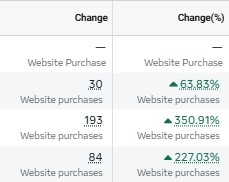
Increase in the number of transactions alongside consistent scaling of activities
1. Rapid strategy shift after Google Merchant Center limitations
Once it was confirmed that product campaigns could not be launched, we did not wait passively for Google to resolve the issue.
We shifted the focus to Meta Ads to reduce sales risk and rebuild revenue scale from paid activities as quickly as possible.
2. Building sales-focused campaigns
The strategy was based on purchase-oriented campaigns and remarketing targeting users who visited the store, browsed products, or were close to completing a transaction.
Ad communication focused on the most promising products, product availability, and purchase arguments relevant to the brand’s audience.
3. Continuous optimization based on sales data
Campaigns were continuously analyzed in terms of revenue, number of transactions, and return on ad spend.
We increased budgets where activities generated sales while limiting spending in campaigns and audience groups that did not deliver the expected return.
The suspension of product campaigns in Google Ads could have significantly limited Vestini’s ability to scale sales.
Instead of depending on resolving the issue on the platform’s side, we built an alternative channel based on Meta Ads. This allowed the brand to continue growing sales despite limitations in Google Merchant Center.
Within four months, revenue increased by 115%, the number of transactions by 84%, and ROAS improved by nearly 20%.
Do you want to scale e-commerce sales even when one channel stops working?
We will identify where your business can build additional revenue streams, how to leverage Meta Ads for scaling sales, and which activities have the highest business potential.
Let’s talk about Meta Ads!