Global Accessibility Awareness Day – What You Should Know About GAAD?

3min.

Comments:0

14 May 2025

UX UX
Global Accessibility Awareness Day – What You Should Know About GAAD?d-tags
On May 15, 2025, we will celebrate the 14th edition of Global Accessibility Awareness Day (GAAD). This initiative aims to raise awareness about digital accessibility and the inclusion of people with various disabilities. GAAD engages the community of designers, developers, content creators, and all those interested in creating more accessible digital environments.
3min.

Comments:0

14 May 2025

Global Accessibility Awareness Day (GAAD) is celebrated annually on the third Thursday of May, which in 2025 falls on May 15. The purpose of this day is to raise awareness about digital accessibility and the inclusion of people with various disabilities in the digital space. This initiative focuses on educating designers, developers, content creators, and decision-makers to create more accessible and inclusive technologies. What else should you know about this important day?

The Origins of Global Accessibility Awareness Day

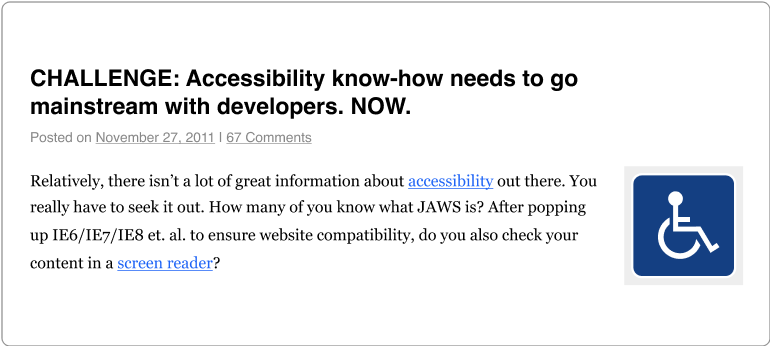
First of all, how did it all begin? The idea for Global Accessibility Awareness Day originated from a blog post by American programmer Joe Devon in November 2011. Inspired by this text, accessibility specialist Jennison Asuncion reached out to Devon, leading to the creation of GAAD in May 2012. Since then, the event has been held annually, bringing together participants from around the world, including Poland.

GAAD - The Beginning

Source: https://accessibility.day/about/

The Goal and Importance of GAAD

The main goal of GAAD is education and raising awareness about the challenges faced by people with disabilities when using digital technologies. This initiative aims to inform about existing barriers and inspire actions to eliminate them. The joint efforts of the online community can lead to the creation of more accessible and inclusive digital environments, which is crucial in the context of the growing role of technology in daily life.

Challenges in Digital Accessibility

Despite progress in accessibility, many barriers still hinder the full participation of people with disabilities in digital life. Some of the most common problems include:

  • Lack of Compliance with WCAG: Many websites and apps do not meet the Web Content Accessibility Guidelines (WCAG), making them difficult for people with various disabilities to use.
  • Inaccessible Multimedia Content: The lack of subtitles for videos, audio transcriptions, or alternative descriptions for images makes accessing information difficult for people with different disabilities.
  • Navigation Issues: Complex website structures, lack of logical content layouts, and difficulties navigating using a keyboard pose significant challenges for users with limited motor skills.

Furthermore, according to a 2020 WebAIM study, an analysis of 1 million websites found that only 2% meet basic accessibility criteria.

If you are wondering whether your website is accessible, an accessibility audit can help answer that question.

The Role of Designers and Content Creators

It is essential to remember that web designers, app developers, and content creators play an indispensable role in ensuring digital accessibility. Their tasks include implementing the Web Content Accessibility Guidelines (WCAG), which cover aspects such as color contrast, header structure, and form accessibility. By creating semantic HTML code and optimizing navigation for assistive technologies, designers contribute to improving the usability of digital resources. They also participate in accessibility testing using tools such as screen readers and keyboards, helping identify and eliminate barriers. Attending digital accessibility training allows designers to update their knowledge and skills, which is essential in the rapidly changing technological environment. These actions make it possible to create digital spaces that are open and accessible to all users.

The Benefits of Improving Accessibility

Investing in digital accessibility offers numerous benefits, both for users and organizations:

  • Increased Reach to Audiences: Tailoring content to the needs of people with disabilities helps reach a broader audience, including older adults or those with limited motor skills.
  • Improved Usability: Accessible websites are often more intuitive and easier to use, enhancing user experiences.
  • Legal Compliance: Many countries have regulations mandating digital accessibility, and complying with them helps avoid legal sanctions.
  • Increased User Loyalty: Organizations that care about the accessibility of their digital services build a positive image and gain users’ trust.
  • Business Benefits: Digital accessibility can lead to increased sales and improved financial performance by reaching new customer groups and enhancing conversion rates.

Global Accessibility Awareness Day – Summary

Global Accessibility Awareness Day is a great opportunity to reflect on the role of digital accessibility in our lives and work. By taking action towards inclusion, we contribute to creating a more open and just society where every user has equal access to digital resources.

Remember that digital accessibility is not just a technical issue but, above all, a social one – it is a manifestation of respect and care for all internet users.

Author
Marta Grybel - SEO Specialist
Author
Marta Grybel

SEO Specialist