You may also read: How to Build Local Business Visibility in AI-Powered Search
How Does This Relate to Google SEO?
The AI SEO principles described do not differ significantly from current Google SEO. Content is still fundamental: bots must first crawl, index, and display it. Content should be as useful and helpful as possible, specifically answering user intent.
External validation like backlinks is still important, although LLMs do not consider backlinks directly – but…
Brand mentions are becoming “new backlinks.” Google patented the treatment of brand mentions as links back in 2014. Google now accurately recognizes entities like company or person names and can associate them with specific domains.
The more mentions your brand has as a good choice for X or Y (where X and Y are your target keywords), the more sources LLMs learn from that your brand is a correct answer for those queries. More such mentions can indirectly improve your Google rankings even without direct backlinks.
SEO for Google ≠ SEO for ChatGPT, but Google requires more work and factors, including behavioral data gathered via Chrome browser usage (greatly simplified). LLMs do not have this, nor need it, since users typically remain on chatbot pages.
For example, Google takes into account behavioral factors, i.e., data about users’ behavior on the site collected using the Chrome browser (I’m simplifying heavily here, but this text is already long anyway). From LLM’s perspective, it’s not quite there, but there’s no need for it either – the user will mostly stay on the chatbot’s site anyway. Thus, factors like page speed or mobile layout are less critical for LLMs, provided their bots can correctly retrieve your content.
Marketing and Business Impact of AI SEO — What Should You Do?
Here we move to translating AI SEO activities into measurable marketing and business KPIs. The picture is mixed: Google traffic will fragment across other search engines, including GenAI-powered and social media platforms like Instagram and TikTok, which are also introducing AI search features. In fact, no internet search engine today can be said to not rely at least partially on AI.
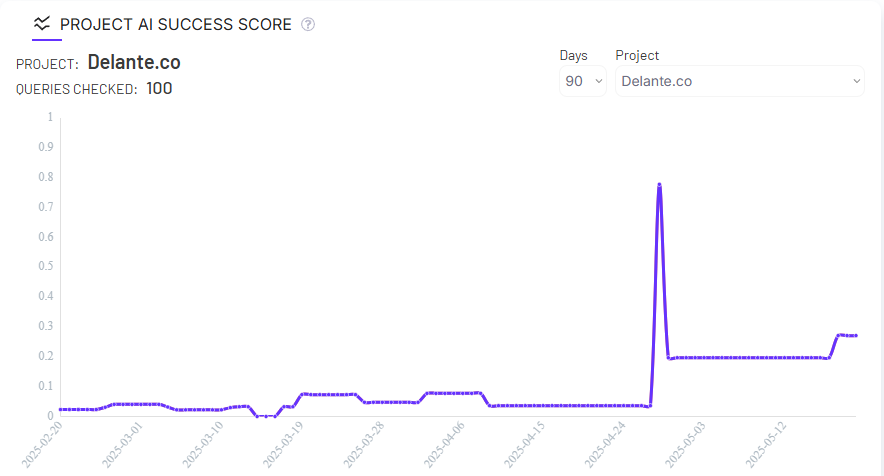
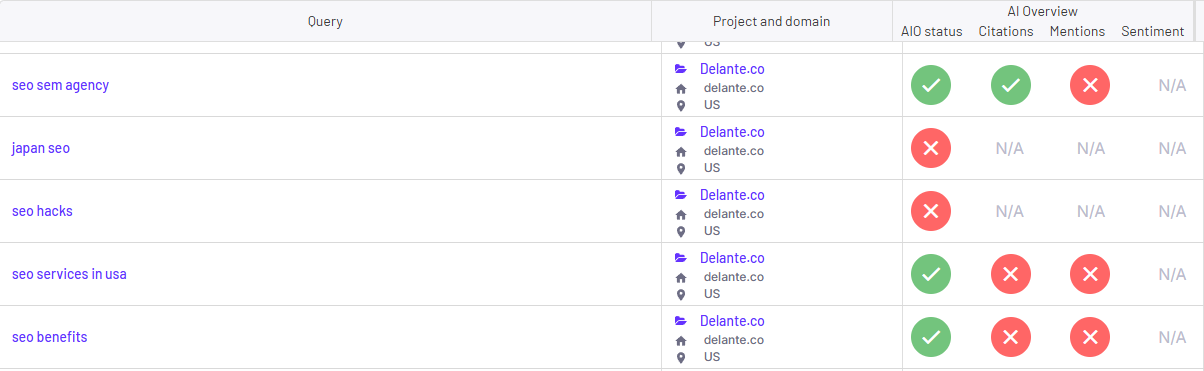
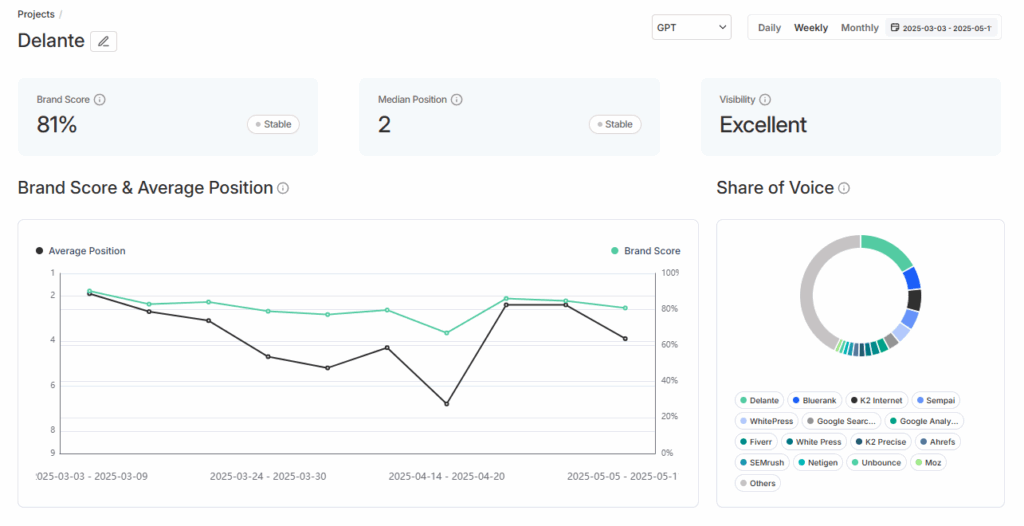
We can measure some GenAI traffic with Google Analytics. For example, Looker Studio dashboards can clearly show this, but page links appear in only about 25% of answers. No link means no click and no measurement. Our AI traffic report shows that artificial intelligence is a tiny fraction of total website traffic, growing dynamically but unlikely to exceed 5% by year-end.


 d-tags


 Loading...