


The Easter period has historically been associated with a decline in user activity and lower effectiveness of standard sales campaigns. The client wanted to maintain – or ideally increase – the number of conversions despite a less favorable time of year. It was necessary to reach audiences earlier, before they began actively comparing designs and submitting inquiries.
Instead of allocating the entire budget to campaigns focused solely on direct conversions, we implemented a full-funnel model. Around 50% of the budget was assigned to a Demand Gen campaign to expand reach, build interest in the offer, and engage potential investors at an earlier stage of the purchasing decision process.
A Google Ads case study demonstrating how Demand Gen campaigns can be leveraged to build demand during periods when standard sales activities tend to lose momentum.
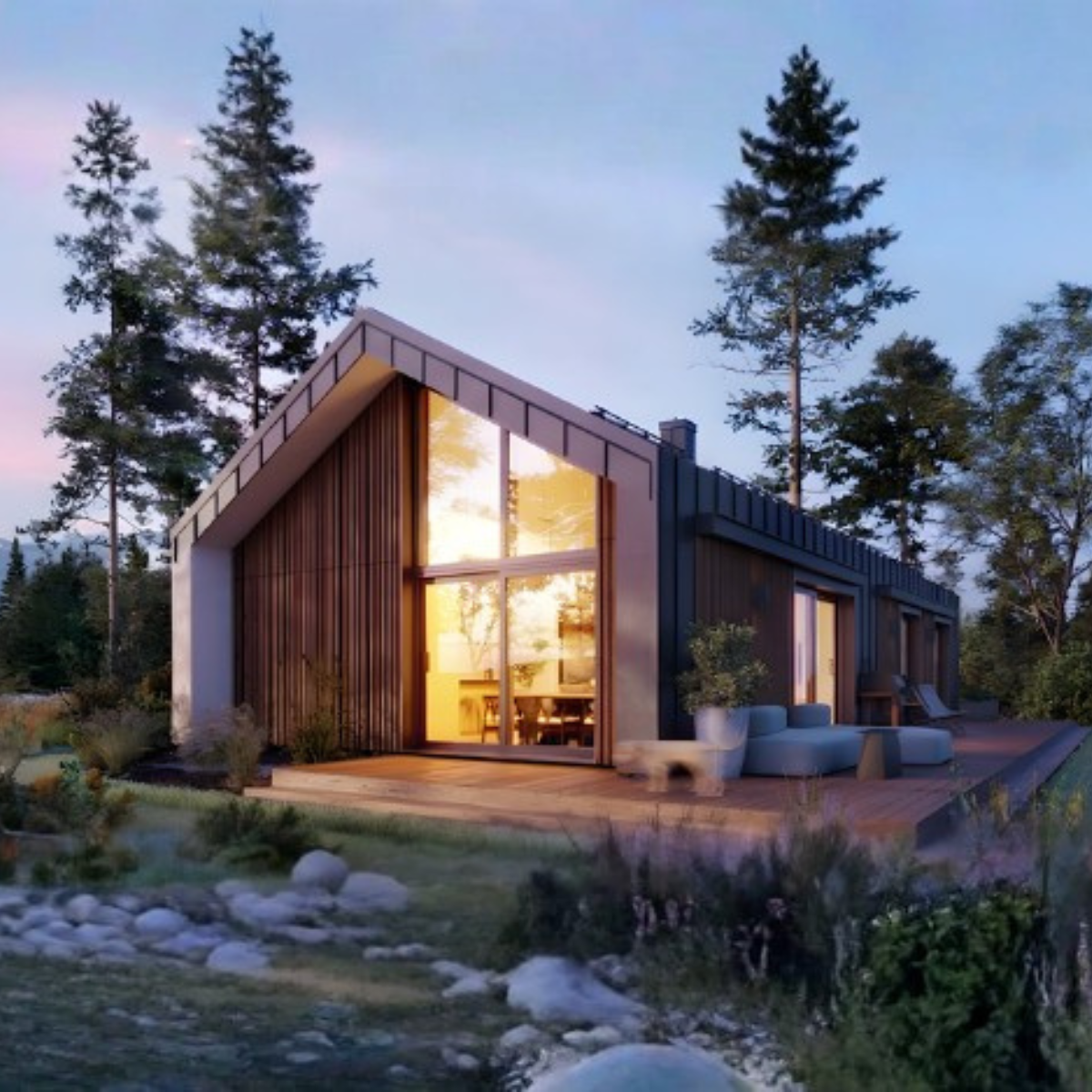
Archeton is one of the most recognizable Polish architectural design studios, operating on the market since 1991. The brand creates and sells ready-made designs for single-family homes, garages, and utility buildings, addressing the needs of investors at various stages of planning a construction project.
More than 150,000 homes have been built based on Archeton’s designs. The offering includes hundreds of ready-made projects: from small houses and buildings up to 70 m², through single-story, multi-story, and attic-based homes, to larger residences, semi-detached houses, and designs tailored to specific plot conditions.
For users, choosing a house design is not a simple transaction. It is a process involving comparisons of floor area, layout, number of rooms, roof type, garage options, plot development possibilities, and estimated construction and maintenance costs. Before making an inquiry or purchase, users typically revisit inspirations multiple times, filter offers, and analyze different variants.
This is why, in Archeton’s case, performance activities cannot rely solely on campaigns targeting users ready to convert immediately. They must also reach future investors earlier – when they are just beginning to plan their construction and define their needs.
Archeton at a glance
Industry: ready-made house designs and residential architecture
Operations: since 1991
Scale: over 120,000 homes built based on Archeton designs
Business model: B2C / e-commerce / lead generation
Offer: house, garage, and utility building designs
Purchase process: long, comparison-based, driven by inspiration and variant analysis
Historical data indicated that the Easter period is characterized by lower user activity for Archeton. During such weeks, standard sales campaigns may have limited potential, as audiences spend less time actively searching for house designs.
The objective of the collaboration was not only to maintain the effectiveness of Google Ads activities, but to increase both the number and value of conversions despite the seasonal decline in activity.
Instead of focusing exclusively on users ready to act immediately, the strategy aimed to also reach individuals who were just beginning their investment planning process.
An intensive Demand Gen campaign run from April 3 to April 7 resulted in a significant increase in both the number and value of conversions.
Metric | Result
Number of conversions | +406%
Conversion value | +362%
Demand Gen budget share | approx. 50%
The key outcome was not only the performance uplift during the campaign itself. The record-high interest in projects observed on April 7 persisted in the following days, demonstrating that the campaign effectively “warmed up” the audience ahead of their decision-making moment.
Why Demand Gen?
The format made it possible to reach users earlier than traditional sales campaigns – at the stage of building interest, seeking inspiration, and considering an investment.
1.Seasonality and historical data analysis
The starting point was an analysis of results from previous periods and identifying the moment when standard sales campaigns begin to lose momentum. This allowed us to plan activities not as a reaction to a downturn, but as a deliberate effort to prepare audiences ahead of the key decision-making moment.
2. Shifting the strategy from lower funnel to full-funnel
We did not limit activities to campaigns targeting only users ready to convert. Part of the budget was allocated to initiatives focused on building demand and interest in house designs at an earlier stage of the customer journey.
3. Implementation of Demand Gen campaigns
The Demand Gen campaign accounted for approximately 50% of total media spend. We leveraged its visual and reach potential to engage users at moments when they were not yet actively searching for a specific design, but were open to starting the investment planning process.
4. Ongoing optimization based on performance
After launching the campaign, we continuously monitored conversion volume, conversion value, and audience response. The budget and campaign direction were adjusted dynamically to maintain a balance between demand generation and achieving sales objectives.
During periods when users are less actively engaged in purchasing, simply intensifying sales campaigns does not always deliver the expected results.
In the Archeton project, we shifted the perspective: instead of focusing solely on users ready to convert, we leveraged Demand Gen to build interest earlier in the decision-making process.
The result: an increase in conversions of over 406% and a conversion value growth of over 362%.



Let’s explore how to maintain campaign momentum, get ahead of demand, and turn reach into profit.
Let’s talk!

 Jerzy Cygan
Senior SEM Specialist
Jerzy Cygan
Senior SEM Specialist