What is Link Diversification? Definition and Tips on How to Use It
d-tags
d-tags
SEO link diversification is a strategy for building a backlink profile by acquiring diverse links – from different sources, types, and anchor texts. Its goal is to create a natural and credible experience for both users and Google’s algorithms.
In practice, this means avoiding repetitive and predictable linking, which could raise suspicions with algorithms and be seen as an attempt to manipulate search results. Link diversity helps create a profile that resembles genuine brand interest, visible to both Google bots and users.

A well-planned link building strategy should be based on a combination of sponsored articles and so-called strategic links.
These actions help build a diversified, yet consistent and secure link profile. It’s important to maintain a balance between quality and quantity. The goal is not to acquire hundreds of low-quality backlinks but to use various formats and sources that complement each other. It’s best to avoid link farms and random link exchanges, as they could expose the site to filters or lower trust from Google.
Avoid an excess of exact match anchor texts. Use:
⚓Exact-match (anchor) – a link to the targeted keyword,
⚓Branded (company name),
⚓Naked URLs.
Logically, when working with off-site processes, we want to support or strengthen the position of services, products, or categories that are most valuable to us from a business perspective. However, it’s important to focus on linking to various subpages – most of the links should point to the homepage of our website.
Building a proper profile and diversifying links is a process that requires resources and time. If you prefer to focus on other processes but still want to take care of this aspect or would like to entrust the diversification to experienced specialists, get in touch with us. A carefully managed link building process by Delante will ensure your site has a diversified portfolio of links, created in full compliance with the principles described above.
In your strategy include both follow and nofollow links.
In a natural and healthy backlink profile, nofollow links must also be present. While they don’t pass as much SEO power as follow links, they are extremely important because they help create a credible and balanced linking profile. Most links, especially those from social media, forums, comments, or certain directories, are nofollow. Their presence makes the backlink profile appear more natural and less artificial. Google can see that the links come from various sources, and not all of them are solely intended to improve rankings, which reduces the risk of filters or penalties being applied.
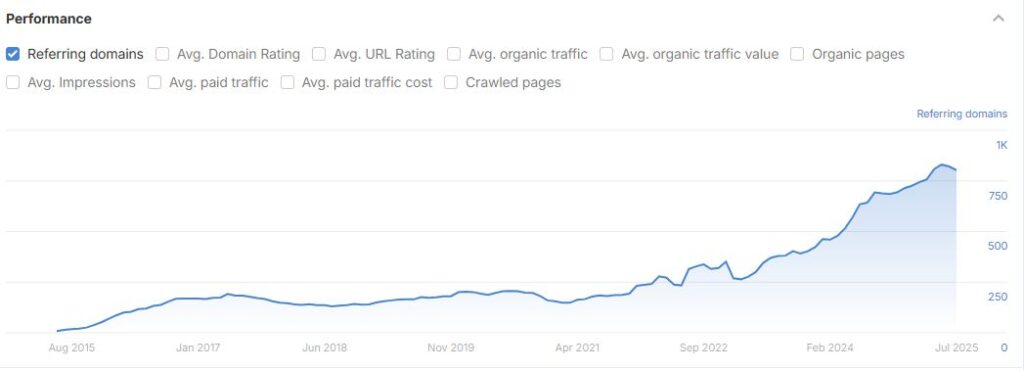
Links should come gradually and naturally – not in sudden bursts, as this could raise suspicions with the algorithm. Regularity and a steady pace of building the backlink profile are key to maintaining stability and the security of SEO efforts. A natural link growth reflects genuine interest in the site and helps avoid negative consequences related to sudden changes in the link profile.
In summary, link diversification is a key element of an effective and safe SEO strategy that helps build a natural, balanced backlink profile. By utilizing diverse sources, types of links, and varied anchor texts, we minimize the risk of penalties from Google’s algorithms and ensure the stability of rankings even during algorithm updates. This type of backlink profile also enhances the credibility and authority of the brand in the eyes of both search engines and users.
Well-planned diversification is, therefore, not just about acquiring links but also about building a valuable, natural, and algorithm-resistant profile that genuinely supports the growth of the brand and its visibility online.