

The Sales Cycle is the predictable sequence of stages a sales team follows to turn a prospect into a customer. In B2B, this journey is notoriously complex and time-consuming, often involving multiple stakeholders and high-stakes decision-making. The efficiency of this process is measured by Pipeline Velocity, which tracks the speed at which deals move through your funnel.
The Anatomy of a Modern B2B Sales Cycle:
- Prospecting: Finding the right fit.
- Qualification: Separating signal from noise (SQL vs. MQL).
- Discovery: Deep-diving into the client’s business pain.
- Solution Pitch/Demo: Showcasing value and the “X Factor.”
- Objection Handling: Addressing security, ROI, and legal hurdles.
- Closing: Finalizing the legal and financial terms.
- Customer Success: Ensuring long-term retention and expansion.
The 2026 Shift: The Invisible Cycle
The traditional funnel has been disrupted by AI-driven research.
- Self-Educated Buyers: By the time a prospect talks to your sales team, they have already analyzed your brand through LLMs (ChatGPT, Claude).
- The AISO Advantage: Brands with high Information Density and established Entity Authority experience shorter sales cycles because the “Trust Gap” is bridged by AI recommendations before the first human-to-human meeting.
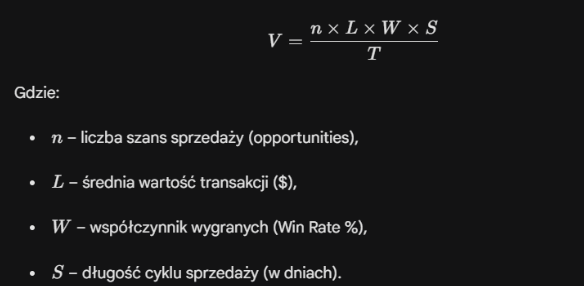
Key Formula: Pipeline Velocity
To optimize your sales cycle, you must monitor the velocity formula:
FAQ
What is the average B2B sales cycle length?
While it varies by industry, a typical mid-market B2B deal takes between 4 and 6 months. Enterprise-level deals can easily stretch beyond 12 months due to complex Buying Committees.
How can AI help close deals faster?
AI shortens the cycle by handling the education phase. When your brand is a Source of Truth for AI models, prospects enter the cycle with higher intent and fewer basic questions, allowing sales reps to focus on custom solutions rather than generic introductions.

