
- What Is Semantic Search?
- The Importance of Semantic Search?
- SEO and Semantic Search
- Semantic Search SEO Tips
- Semantic Search - The Future of SEO
So What is Semantic Search?
While a particular semantic search definition is difficult to come by due to many people having their own thoughts on the topic, a simple starting point would be:Semantic Search is the process used by modern search engines to retrieve information, based on the most relevant search results, by focusing on meaning instead of keyword matching.
With this semantic search definition, we can see that it means that SEO is much more complicated than simply inserting keywords into any given piece of content. Topics, intent, markups, and relevancy all matter just as much – if not more!
The history of semantic search is quite interesting: prior to the Google takeover of the search engines, semantic search SEO was predominantly built around the understanding that engines mostly collected directories, manually curated, that looked something more like a traditional library would. Back when there were far fewer web pages in operation, this made sense and worked quite well. After Google, however, and after the dot com boom, the number of websites exploded and the manual operation became impossible. This leads to algorithmic cataloging that is able to cope with changing content on the fly. Semantic search is the modern iteration of this algorithm, enabling Google to infer what you mean when you type in the search bar.
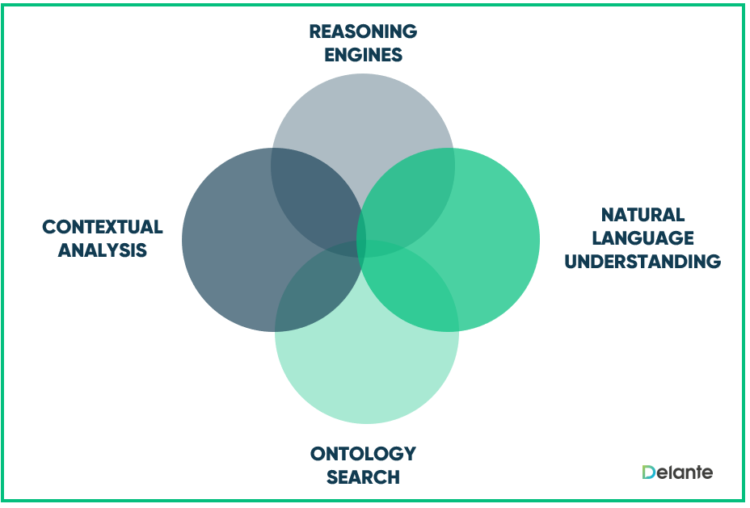 Some examples of this would be that typing “who is the little green man in star wars” and having the examples retrieve “Yoda” or “Who's the partner of the actor who played obi wan” bringing up “Eve Mavrakis” – Ewan McGregor’s ex-wife (at the time of filming Star Wars, his wife.)
Why is Semantic Search so Important?
One of the biggest reasons to understanding why semantic search is so important is because most people do not simply type keywords into search engines, generally, especially if they don’t quite know what they’re looking for. “Queen memory foam bed” is a much different search than “most effective bed for bad backs” for instance, so it’s important to be able to cater to both search styles. With the way search engines are prioritizing the latter kind of searches, it makes perfect sense to focus your SEO efforts on also catering towards semantic search as much as possible. If you need to ask yourself “what is semantic search?” you might already be leaving countless visitors to your site on the table! Being able to allow access to your website to anyone searching for it, whether they be searching keywords or full sentences, will only allow your business to grow larger and larger.SEO and Semantic Searches
Around 40% of the words in the English language are polysemous, meaning that they have two or more meanings. A great example of this is the word “Pen” which refers both to a writing implement and an area to keep an animal. Because of this quirk of the language, search engines need to be able to provide options that understand the difference between the two meanings when you are only interested in one of them. With the “pen” example, Google will use the data it already knows about you in order to best guess what you mean when you solely type that word into the search bar. If you are a dog breeder, for instance, the majority of your results should come back involving animal equipment. If you’re a writer, most of the results will involve ink! Because of these facts, it’s easy to see how important context matters to your SEO practices. Thinking about your SEO in terms of context and less about keywords means that you can target people who have a specific intention – asking questions like “what is the best off-road truck” – and providing them your solutions.